Gargantuan prog—rock supergroup, YES are back. A new generation of prog—wannabes in Muse, Elbow and Radiohead provide the PR. A 360 piece symphony orchestra provide the clout. Gary Hill talks to lyrical cosmic Wiseman, Jon Anderson about the new album.
15/10/01
Whatever your reservations, progressive rock seems to be enjoying a bit of good PR, thanks to the current crop of prog—influenced British bands.
Mansun made an called ‘Six’, talked deliriously of lanterns for a while, Radiohead came out with the helplessly proggy and gargantuan, ‘OK Computer’, Elbow is earning significant theatrical kudos with ‘Asleep In The Back’, and now baroque epicureans, Muse are patently at it again.
But it’s not only in Britain — but Amercia too. One of the most engaging and durable albums of recent years, ‘Soft Bulletin’ by The Flaming Lips steals heaps of surprising seventies prog articles: the crashing drums, the sweeping strings, the difficult but universal ‘concept’ , the tricksy bass runs, the stops and starts and the unassuming, choric falsetto vocal. It’s an absolute prog—fest of cosmo—sonic ingestibles. So what’s the story?
It’s a story of excess and indulgence. It’s a story that begins with YES.
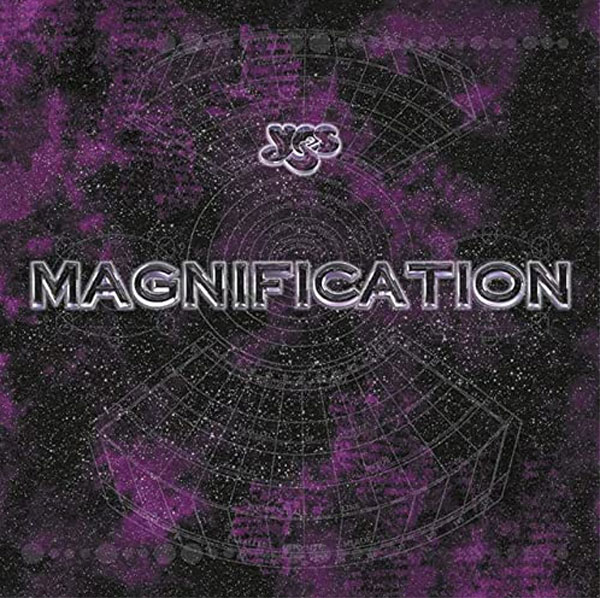
YES are back. The first ever band to use lasers on stage and engage in cold war combat with interstellar arpeggios and topographic guitar solos have a new album out on Eagle: the hugely ‘orchestral’ and voluminous, MAGNIFICATION.
A re—formed and re—manicured line up of original YES—presarios: Jon Anderson, Chris Squire, Steve Howe and Alan White see the band take up what they left off 30 years ago: a 360 piece symphony orchestra. So just how prog can you go? Crud caught up with YES front man, Jon Anderson to find out:
How did the idea come about to work with a symphony orchestra on MAGNIFICATION?
Jon Anderson: Well, basically, we had talked about the project on and off for about 5 or 6 years. I think Steve came up with it and said, “Let’s go for the orchestral this time.” it’s interesting to me that Chris and Alan said, “yes”, because before that they’d always been more into the rock, heavy sort of style of the band. It was very interesting that they sort of leant towards it this time.
How do you think it’s worked?
Jon Anderson: I love it. I really do. I think it’s part of the history of the band. it’s a nice place to before the next two or three years. We’re just going to tour this project for a couple of years and then have a break because we’ve been steadily working on this band no, on and off, for about seven or eight years without a break. So, we talked about, OK, we’ll do that album. We’ll bring in the right kind of arranger, Larry Groupe, who’s this guy we found — who has a really good sort of cinematic orchestration style. And, the overall picture of the album turned out great for us. So we said, OK, let’s tour it for a couple of years and then have a break. it’s a nice place to stop for a while.
With this being an extended tour, will you get back to the states?
Jon Anderson: We hope so, next spring or next summer. We’re talking about doing a tour next summer, probably doing more the new album. Just this last tour we only did a couple of songs, because it isn’t released yet. It comes out in a month or so — December the 4th it comes out in America. So, the general idea was that next spring — late spring/early summer — we could do another tour just concentrating on the new album.
How is it feeling on stage? You seemed a little crowded up there.
Jon Anderson: Where did you see us?
Toronto.
Jon Anderson: Oh yeah, it wasn’t a great gig. It was weird. we’d just sounded great in Quebec, and we had a great run of a week and when we did Toronto for some reason it just didn’t feel like a great show for us. I know we talked about it afterwards that we didn’t feel uncomfortable, — the stage is a good stage —it just sounded very boomy in that place for some reason. We just thought it was OK. We’re very critical of what we do so we remember that show. The orchestra generally — you know we picked up orchestras ever night because the conductor was so good with them. He worked with them in the afternoon. Then we just got on with the show in the evening. Like anything, you can have a rough night. You can be the best football team in the world and you’ll still get beaten one day. it’s the same with baseball. it’s the same with musicians. Some nights it’s just not happening for some reason. For some reason it didn’t sound as good as we thought it would because we like that place very much, but it didn’t sound clear to us. Whereas the night before in Quebec — and it was bizarre because it’s a very big hall in Quebec — it sounded fantastic. That can happen. The sound guy gets it right six or seven nights, then one night he won’t quite get it right.
How has this compared with your previous attempts at working with orchestral instruments?
Jon Anderson: Well, I did an album called “Change We Must” in ’91 or ’92, and I really enjoyed working with the orchestra so much and I understood the quality of an orchestra it it’s done correctly. All you need is a good arranger. There’s no point in hiring 50 people to play in the background. it’s bizarre that this year there have been some great recordings that have been sort of hit records along the way with full orchestra. So, this year was very big on bringing out the orchestral music, if you like. it’s one of those things. A lot of people start thinking the same thing at the same time. We just had to make sure we had a good arranger. Because if you listen to the album it has this sort of ebb and flow — one moment it’s sort of pretty heavy, then beautiful music, then a poignant song, then a very simple sort of 17th century kind of feel about some songs. I like the album very much.
How would you compare this experience to the situation of using strings way back on ‘Time and A Word’?
Jon Anderson: Well, it was a lot easier to do simply because 30 years ago the musicians that we worked with were very, very ‘rock and roll’, but most of the people we’ve worked with on this tour — they love Yes. They started listening to Yes before they became musicians. We got a lot of orchestral players who are fans. They stand backstage and wait for us to come off, shake hands and autographs. it’s a lot like a little lovefest every night. It’s bizarre.
How do you see this album in comparison to the last couple of releases?
Jon Anderson: I always thought we had a lovely turning point when we did The Ladder because I wasn’t in the creative world with Chris and Billy when they wrote songs for Open Your Eyes. So, it was a question of keeping it going — keeping the band going. Management thought it was going to be a big record, but it never happened. I was so happy when we got to The Ladder. That was a bit of fresh air for me. it’s not classic Yes music in the sense, but in the same vicinity, shall we say. The bizarre thing is. I was listening to a song yesterday, which I really like. It is Elton John’s new single. It’s just beautiful if you listen to it. The more you hear it, the more you get into it, shall we say. And that’s the same with most music. I remember listening to Dave Matthews’ ‘Space Between’. I thought it was OK, and now I’ve heard it 50 times — it’s everywhere, you know. I started to get into it. I think that’s what music does. If it’s played enough people definitely get into it. That’s been the biggest problem with our music is that we don’t have a forum to play it because people don’t want to play our music on regular radio.
What happened with Igor?
Jon Anderson: Well, he wasn’t really fitting in. Eventually the guys said, “do we need another keyboard player?” He was getting too frisky in his work — a bit of a superstar. We thought it was just part of his makeup, but eventually it just became the dominant part. You can’t work all the time with people like that. We had a similar thing — I can’t tell you who it was — down the line we had a guy in for about a year. He just became such a superstar because he was in Yes. That freaks us out because we don’t believe we’re superstars. We don’t believe we’re legends. We believe we’re musicians trying to make it work, trying to get it right. Trying to do good shows and trying to survive the business. it’s one of those things. The first period of time when you work with anybody you’re going to hoping it’s going to be great. You start sounding great, then it eventually it goes downhill very fast.
What about the man you have on keys right now, Tom Brislin?
Jon Anderson: Tom is great simply because he knows he’s part of the team. He’s not in the band, but he loves Yes music. He was so quick in rehearsal. He knew all the parts. He was very quick to get on with everybody. Half the battle is making everybody appreciate who you are, what you do and what you add to the group. So, we can always rely on him coming in and working with us. I don’t know how long he wants to stay or if we want this to happen maybe another year. Then, as I say, we might have a break for a while. I like him. He’s a good guy.
Do you have any side projects in the works?
Jon Anderson: I’m working on my own project at the moment. I’ve been working on this piece of music for a year now, and it will be ready next summer, I believe. I’m very excited about it. I did an album years and years ago called “Olias of Sunhillow” where I performed all the music, and I’m getting back to that place again.
Will this be a sequel?
Jon Anderson: Yeah, I’m trying to figure it out as we speak. It has a lot to do with the mysticism that surrounds us. We’re going to go through a period now, because of the Lord of the Rings movie coming out. There will be a lot of interest in the mysticism of life and things like that. So, by the time I’m finished, it will be the right time.
You’ve always been looked upon as a very spiritual man, and a pacifistic man. What is your take on the events regarding the terrorist attack on September 11th?
Jon Anderson: Well, very simply, we’re all spiritual people. Islamic people are spiritual. Buddhists are spiritual, Zen. All the rivers meet in the same ocean. I’ve always said this because it comes from Gandhi. It comes from all the great people. I’ve read it years ago that Krishna was Christ. Buddha was Christ. Mohammed was Christ. Jesus was Christ. Why keep differentiating the difference and say that we’re the infidels. Actually there’s been more massacres created out of religion over the years than as long as your arm, and it’s not a good thing. it’s got little to do with reality. I believe, honestly, I believe that it’s sort of raising the world consciousness for us to realize that we are all one on this planet, and we’ve all got to look out for each other. And, there’s got to be a way of distributing not only the wealth, but idealism. When you think about how much of the Western world’s food gets thrown away, compared to the other side of the world that starves. And now we’re sending all this money to feed the Afghans. Why has that not been happening since Bob Geldoff started the whole ball rolling?
I used to know Bob when he was doing Live Aid, and he came up against so many brick walls, simply because there’s so much corruption in this world, and it doesn’t stop over there. There’s a lot of corruption over here. I think that the worst thing that can happen to any civilization is to start doubting itself. That’s why America has not always been asserting itself. I’ve got a flag on my jeep, and I’m not American. I’m only American because of my lovely wife Jane. We live in America. I love America. America, and this is the truth, we are the children of the nations of the world. We’re all here. All the nations of the world came to live here. This is the eye of the storm. This is where we should be seen to be healing the world because we have everything here. Jane and I were in Washington when it happened, and the first thing that you realize is there’s black area, there’s white areas. In every town we go to there’s these regions for different people. You have your Chinese area. So, it’s all separate nations within one nation. In most terms, everything lives in harmony, but there are these under currents of definite one-upmanship. Who’s got the money? Who’s the richest person? Who’s got control of the money? It’s an endless conversation, I suppose. But it’s such a sad time in my life and for everybody else.
We’re going on tour in Europe and I’m thinking, “Gosh, I’m going to be up there singing Gates of Delirium on this tour, and it’s going to seem different to me now”. ‘Soon, oh soon the light’ — the light is an understanding — light of realization. I’ve believed that for years and sang about it on so many different levels. So, I’m just still searching and hoping that we come through — knowing that we do. Like Gandhi said, out of all the heartaches in life, love will always conquer. Love is the power.
This situation is making many people question that.
Jon Anderson: it’s fear. it’s fear of the unknown — fear of what’s next. You’ve got the picture in your head and millions and millions of people around the world have that picture in their head. it’s bizarre on the new album I was singing about “can’t keep this picture from out of my mind.” It was all about those little children being escorted across the road in LA out of the Jewish school where a guy had gone rampant with a gun. I couldn’t get that picture out of my mind, and the whole song I was getting into other pictures — about the slave trading going on in West Africa and the slavery of children into war and stuff. The guys in the band were saying, “OK, Jon, you’re getting a bit heavy here.” I said, “but it’s real.” They said, “well, can you cut out the slavery?” So, I rewrote it because they were saying I was getting too dark. I could understand that because I was into this whole place that the spirit is very, very strong within us to survive, but yet there’s so many things out there that need to be sorted out. We all know it. it’s not like we’re all stupid. We all know that the government’s got to get their act together. CIA, FBI — they’ve seriously got to get their act together. Everybody thinks the same way. isn’t it about time that there’s no starvation on this planet? isn’t it about time that we can look towards Africa and see it as a safe place and growing community instead of incredible corruption? They learned it all from the British and Dutch and Belgium. They learned it from the Europeans
Gary Hill for Crud Magazine© 2001 and Music Street Journal 2001
share this: